What I Learned from Mentoring for the First Time
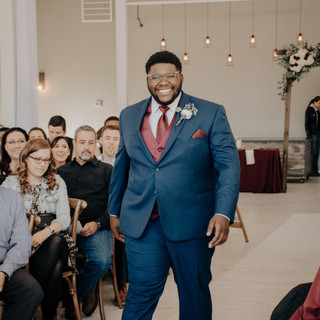

This past weekend, I had the chance to shoot a pretty unique event that I had not really seen anyone else do before. What made it even more special was that it turned into a mentorship opportunity.
Someone reached out asking if I could give them some tips and pointers on photography. At first, I hesitated. I have been doing photography for years, but I never really thought I knew enough to mentor someone else. Looking back, that was a little silly because with time and experience, you naturally pick up a lot of valuable knowledge. So, I invited them to join me at this low-pressure, fun event that would also give them a few great shots for their portfolio.
Here are three key things I learned from mentoring for the first time.
1. You Do Not Need to Know Everything to Teach Something
At first, I worried about not having all the right answers. But I realized that is not the point. As a mentor, your experience, even if it feels ordinary to you, can be incredibly valuable to someone who is just starting out.
When you share what you know, your mentee will take what makes sense to them and run with it. You do not need to have a perfect lesson plan. Just being open and sharing your thought process helps them see how you approach challenges, and that is where the learning really happens.
2. Explain What You Are Doing and Why
When you have been shooting for a while, a lot of what you do becomes second nature. Normally, I would just show up, grab my camera, and start capturing moments. But with someone shadowing me, I realized I had to slow down and explain what I was doing and why.
For example, during this event, I told my mentee that I was looking for expressive interactions such as families smiling, kids playing with the floating pumpkins, and parents laughing. I explained how to spot those kinds of subjects and why they make strong, storytelling photos. Once I shared that, I could actually see the “aha” moment in his eyes.
Simply put, do not assume they will pick up on everything by watching. Talking through your process turns your instincts into lessons.
3. Slow Down and Be Intentional
When I am shooting solo, I tend to move fast, bouncing from spot to spot with a shot list in mind. But when mentoring, that pace does not work. I learned to slow down, walk through my plan out loud, and think more intentionally about what I was capturing.
That slower pace actually helped me find better moments. By talking through what I was looking for, the perfect shots seemed to appear naturally. It reminded me that slowing down can sharpen your eye, whether you are teaching or learning.
Final Thoughts
Mentoring was something I did not think I was ready for, but it turned out to be one of the most rewarding parts of my photography journey so far. If you have been shooting for a while, I encourage you to share your experience. You do not have to be an expert to help someone else grow.
Go out, keep shooting, and bring someone along for the ride. You might be surprised by how much you learn in the process.


Comments